
You add broad match expecting more reach, then your charts do the opposite. Impressions drop, clicks slide, and it feels like Google Ads is punishing you for trying to grow.
The truth is simpler (and fixable). When you switch to google ads broad match, you don’t just “add more searches.” You change how Google chooses which keywords enter auctions, how budget gets spread, and which signals the system trusts.
Below are the most common reasons impressions fall after adding broad match, plus the checks that usually pinpoint the real cause fast.
Broad match is not a volume button. Think of it like opening a second front door to your store, then moving your best cashier away from the first door. You might get more “foot traffic” overall, but you can still see fewer people walk through the door you were watching.
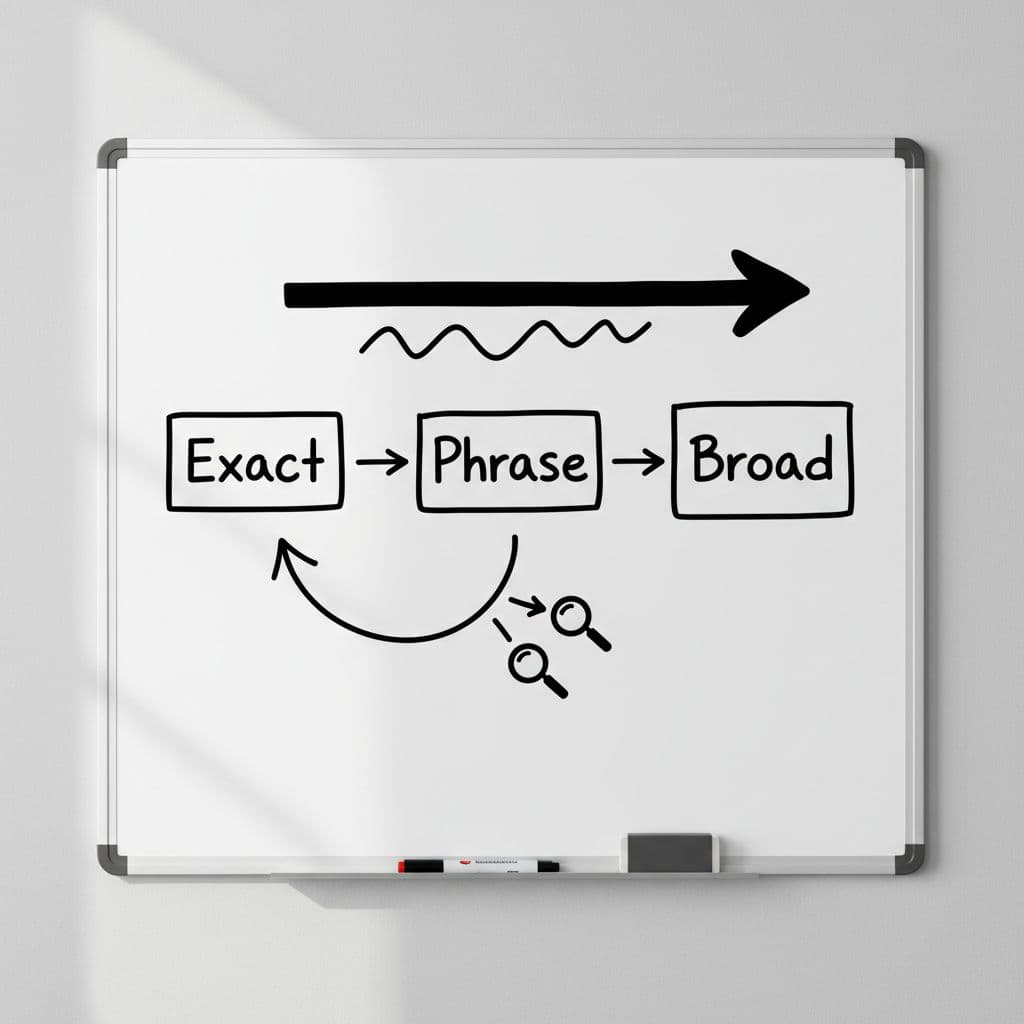
Here’s what often happens in real accounts:
Broad match starts matching to many of the same queries your phrase and exact keywords were already covering. Google then decides which keyword (and which ad) to use for each auction. If the broad match keyword ends up “eligible” more often, it can cannibalize the traffic your old keywords used to get.
That can lead to fewer total impressions if the broad keyword competes worse in the auction. For example:
So yes, broad match can make you show for more things, yet still reduce impressions on the searches where you used to appear consistently.
Broad match expands eligibility, not guaranteed visibility. If Ad Rank or bidding behavior shifts, impressions can shrink.
If you want a practical rundown of how broad match behaves and when it makes sense, this guide on broad match benefits and best practices is a helpful reality check.
A lot of impression drops blamed on google ads broad match are really bidding behavior changes that just happened at the same time.
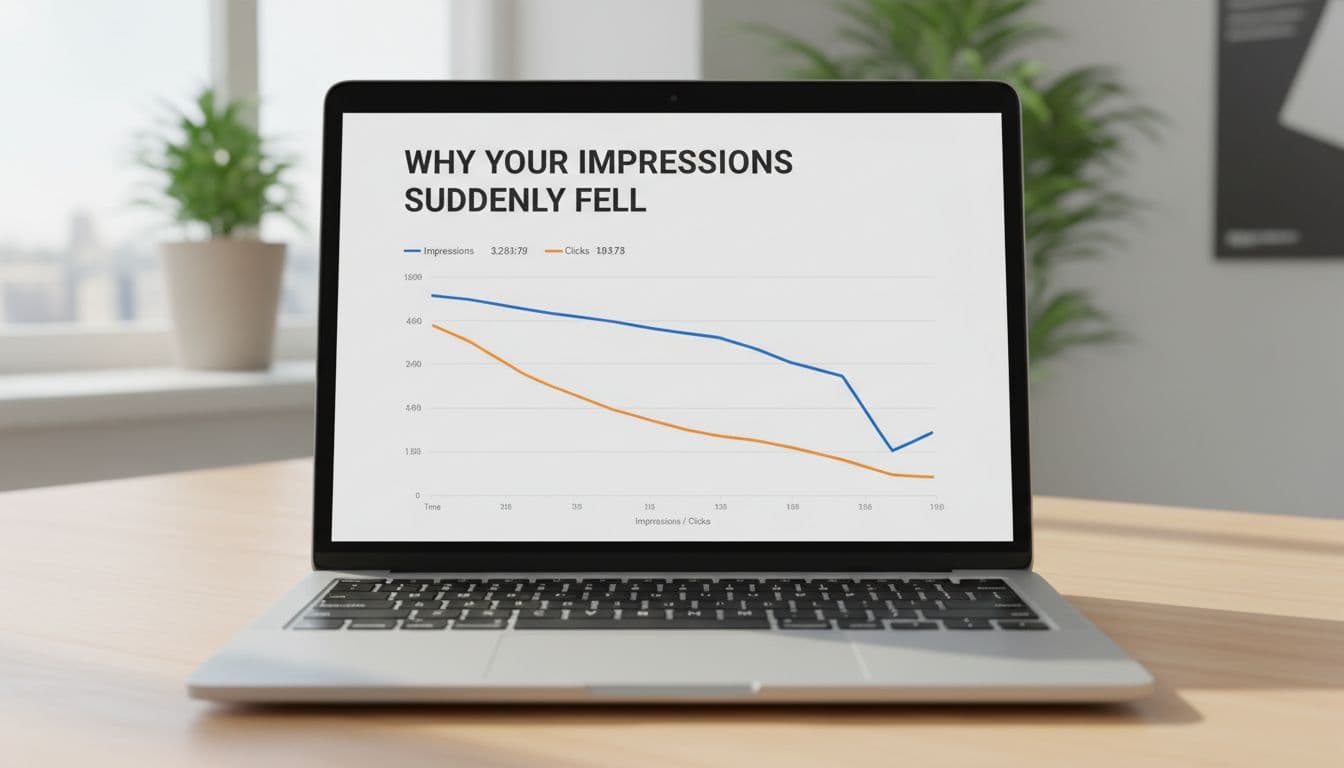
Broad match pairs best with strong conversion tracking and enough conversion volume. Without that, Smart Bidding can get cautious. It may lower bids, avoid auctions, or focus on a narrow slice of searches that match past converters. The result looks like a reach problem, but it’s a bid problem.
A few common triggers:
1) Target CPA or Max Conversions gets stricter (even if you didn’t touch it).
Adding broad match changes the mix of searches and conversion rates. If CPA rises, Smart Bidding often pulls back to protect the goal.
2) Budget gets re-spent differently.
Broad match can attract new queries that cost more. You can burn budget earlier in the day, then miss later auctions. That shows up as fewer impressions, even while spend stays flat.
3) Negatives or location settings block more than you think.
A shared negative list that “worked fine” on phrase match can be too aggressive when broad match opens up new variations.
Before you guess, use a quick diagnostic view. This table shows what to check first:
| What you notice | Check this in Google Ads | Why it matters |
|---|---|---|
| Impressions down, CPC down too | Bid strategy and learning status | Bids may be dropping, so you lose auctions |
| Impressions down, spend steady | Search terms + budget pacing | Budget may shift to fewer, pricier auctions |
| Impressions down, top impression share down | Auction + Ad Rank signals | Competition or relevance may be worse |
| Impressions down only on core services | Keyword overlap and ad group quality | Broad may be stealing auctions, but losing more |
If the drop feels sudden and you’re sure “nothing changed,” you’re not alone. It’s worth scanning how others troubleshoot similar situations in the Google Ads Community discussion on sudden performance drops. Also, if your lead cost jumped while impressions fell, these fixes for Google Ads CPL spikes line up with what broad match often triggers.
You don’t need to delete broad match. You need guardrails, so broad match feeds your account instead of flooding it.

Start with these moves, in this order:
Separate broad match from your “money” keywords.
Put broad match in its own ad group (or campaign) with its own budget. This stops it from quietly taking priority over your best exact and phrase terms.
Add negatives based on real search terms, not guesses.
Run the search terms report frequently for the first 7 to 14 days. Block the themes that waste clicks (jobs, DIY, cheap, free, how-to). Keep the list tight, so you don’t choke off growth.
Use broad match only where you have a clear conversion signal.
If you have thin conversion tracking, broad match can drift. Fix tracking first (forms, calls, booked jobs), then scale.
Watch Impression Share metrics, not just impressions.
Impressions can drop from seasonality or demand changes. Impression Share tells you if you lost auctions because of rank or budget.
Protect brand and top services with exact match.
Even if broad match performs, keep exact match for the terms that pay your bills. Let broad match explore, not replace.
If you’d rather have someone run those controls weekly (and explain the “why” in plain English), this is the kind of work included in Google Ads management services, especially for local service businesses that can’t afford mystery traffic.
When impressions drop after adding google ads broad match, the cause is usually overlap, bidding behavior, or budget re-allocation, not “Google broke.” Tight structure, clean negatives, and better conversion signals typically bring impressions back fast.
Paid ads are still a rented channel, though. If you want steadier lead flow, pair Ads with an approach that builds long-term visibility too, like the trade-offs in this SEO vs Google Ads vs LSAs comparison. The goal is simple: more calls and booked jobs, with less dependence on one switch inside one ad account.


