
You add a keyword, set a budget, and expect your ad to show for that search. Then the clicks roll in from people who were never going to buy.
That disconnect usually comes down to google ads match types and how Google reads intent now. If your campaign feels loose, it may not be broken. It may be doing exactly what the platform was built to do.
The good news is you can tighten control without shutting off lead flow.
Years ago, keyword matching was closer to a lock and key. Today, it works more like a guess about meaning. As of 2026, Google focuses far more on search intent than exact wording.
That shift catches small business owners off guard. You choose what looks like a tight keyword, yet Google sees related meaning and opens the door wider. Google’s own keyword match type guidance reflects this broad-to-narrow logic.
Exact match is no longer old-school exact. It often means “same idea.”
Here’s the fast version:
| Match type | What it does now | Risk level |
|---|---|---|
| Broad match | Finds related themes and intent | Highest |
| Phrase match | Matches the meaning of the phrase | Medium |
| Exact match | Matches close meaning, not only exact words | Lowest, but not zero |
So if you bid on a keyword like [roof repair], Google may still match you to searches about leaks, patch jobs, or storm damage estimates. Some of those are useful. Some are junk. The system doesn’t think in neat boxes anymore.
That matters because broad match now reaches far beyond close wording. Phrase match has loosened too. Even exact match can pull in searches you wouldn’t have picked by hand.
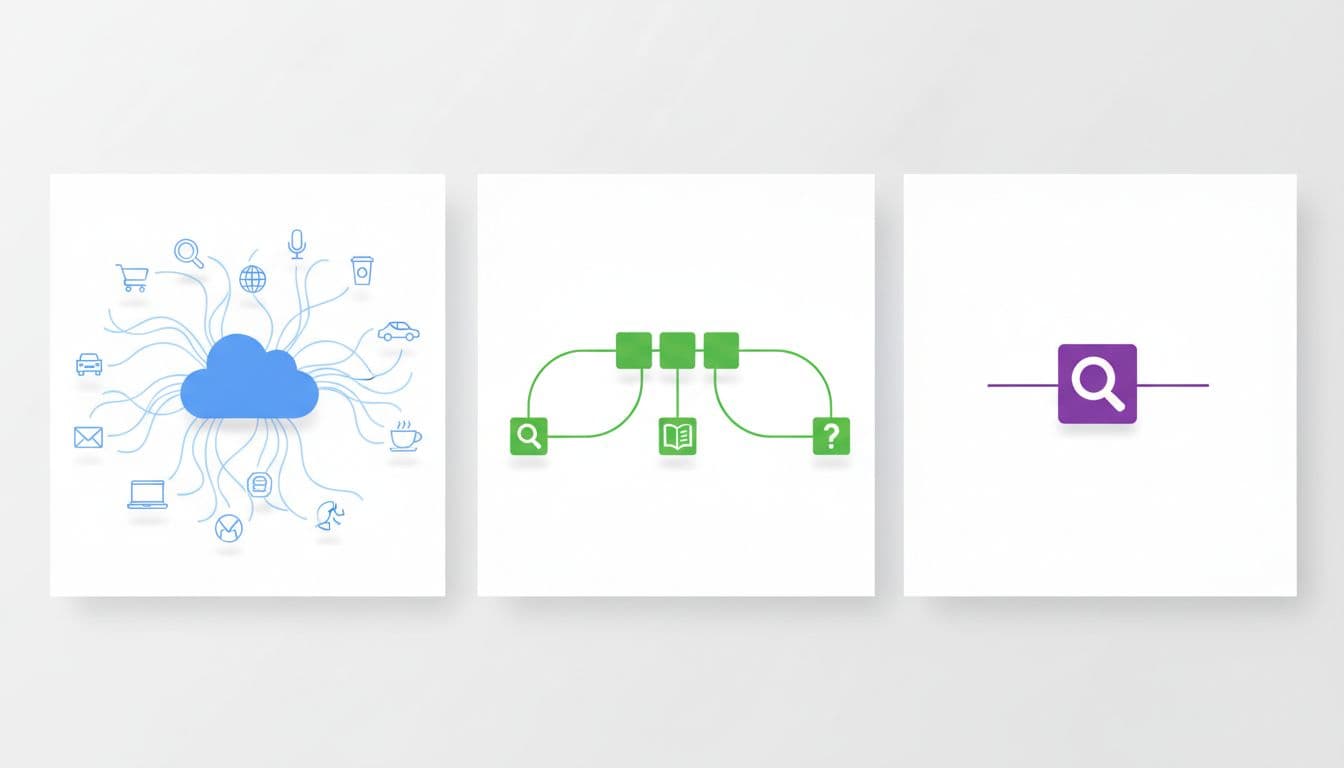
If you’re running ads like you did a few years ago, the platform may now feel slippery. That’s not your imagination. Google has moved from word matching to meaning matching, and that makes active management much more important.
Match types are only part of the problem. Bad searches also slip in when the campaign has weak negatives, mixed intent, or too much automation without guardrails.
Negative keywords are the first big blind spot. Many advertisers think one negative keyword blocks every version of a term. It doesn’t work that way. Google’s own help page on negative keyword issues explains that negatives don’t match variants the same way positive keywords do.
That means a small mistake can leave holes everywhere. You might block “free” but still show for “cheap,” “DIY,” or research-heavy searches that never turn into calls.

Mixed intent is another common cause. A keyword like “family lawyer” sounds fine, but it can attract searches for jobs, salary data, legal aid, forms, and advice. One keyword may cover buyers, students, and tire-kickers all at once.
Automation can widen the net even more. Smart bidding and AI-led matching can help performance, but only when the account has good conversion data and strong exclusions. If not, Google starts chasing volume because volume is easy to find.
Location settings also cause waste. A local business may target one city, yet still show to people “interested in” that area rather than physically there. For service businesses, that can burn money fast.
If you want a solid breakdown of how to cut that waste, this negative keywords guide gives useful examples that line up with what many small businesses see in the real world.
You don’t need to panic and switch everything to exact match. That often cuts off good traffic too. A better move is to add control in layers.
Start with four habits:
For many small businesses, the best setup is simple. Put your highest-value searches in exact match. Test phrase match where you want more reach. Use broad match only when conversion tracking is clean and someone is watching the account closely.
That results-first mindset matters. Good paid search should work like good SEO, with more qualified traffic and less noise. If nobody is checking search terms, adding negatives, and trimming waste, your budget becomes a science project.
That’s why hands-on performance-based Google Ads management can make such a big difference. You want someone protecting spend daily, not sending pretty reports after the money is gone. And if you’re comparing channels side by side, these SEO and PPC pricing options make it easier to judge what fits your goals now.
Google Ads doesn’t keep matching to the wrong searches by accident. It happens because the system is built to read intent broadly, and that broad reading needs strong guardrails.
Once you understand that, the fix gets clearer. Tighten negatives, separate intent, watch search terms, and treat every click like it came out of your own pocket.
If your ads keep pulling in the wrong people, don’t guess. Audit the search terms this week and find out where the leaks are.


