
Small business owners usually feel the pain before they spot the cause. Clicks cost more. Ads show less often. Leads slow down. A low google ads quality score often sits behind all three.
Think of Quality Score like a credit rating for each keyword. When Google sees a weak match between the search, the ad, and the landing page, it charges you for the risk. The fix is usually simple in theory, but it takes tighter structure and better follow-through.
Google gives each keyword a score from 1 to 10. According to Google’s Quality Score improvement guide, the rating comes from three signals: expected click-through rate, ad relevance, and landing page experience. WordStream’s 2026 take on Quality Score adds an important point: it’s a diagnostic tool, not a magic switch.
A high score doesn’t guarantee profit. A low score doesn’t mean the campaign is finished. Still, it shows where friction lives.
Here’s the quick version:
| Signal | What Google is judging | Common reason it drops |
|---|---|---|
| Expected CTR | Are searchers likely to click? | Generic copy or weak offer |
| Ad relevance | Does the ad match the query? | One ad group covers too many topics |
| Landing page experience | Does the page deliver on the ad? | Slow page, vague content, poor mobile layout |
Google lets you view these signals at the keyword level. That matters because you can spot whether the issue is mostly weak CTR, low relevance, or a bad page experience.
If one part breaks, the whole chain weakens. That’s why a decent bid can still lose to a better ad experience.

A low score is often a relevance problem first, not a budget problem.
So, before you raise bids, inspect the path a customer takes. Do the keyword, ad, and page feel like one connected message? If not, Google sees the gap.
The most common cause is account sprawl. Many small businesses stuff dozens of keywords into one ad group, then send every click to the homepage. That setup saves time early, but it usually hurts later.
Expected CTR falls when people don’t find your ad compelling. Sometimes the copy is bland. Other times, the wrong searches trigger the ad in the first place.
Broad targeting can pull in loose intent. Then your ad shows to people who were never ready to call. That drags clicks down and waste up. If you’ve seen reach shift after keyword changes, this look at why broad match reduces impressions shows how loose targeting can distort performance.
Ad relevance drops when the search says “emergency plumber near me” and the ad talks about “full-service home solutions.” Google wants a direct match. Searchers do too.
A tighter structure helps fast. Keep one service theme per ad group. Write headlines that echo the keyword. Mention the real offer, like same-day repair, free estimate, or licensed local service. Optmyzr’s guide to interpreting Quality Score explains why this still matters, even in automation-heavy accounts.
This is the big one. If the ad offers drain cleaning and the visitor lands on a broad homepage, the experience feels off. Google notices that mismatch. So do your customers.
The page should continue the same message from the ad. That means clear service details, a fast load, a mobile-friendly layout, and one obvious next step.
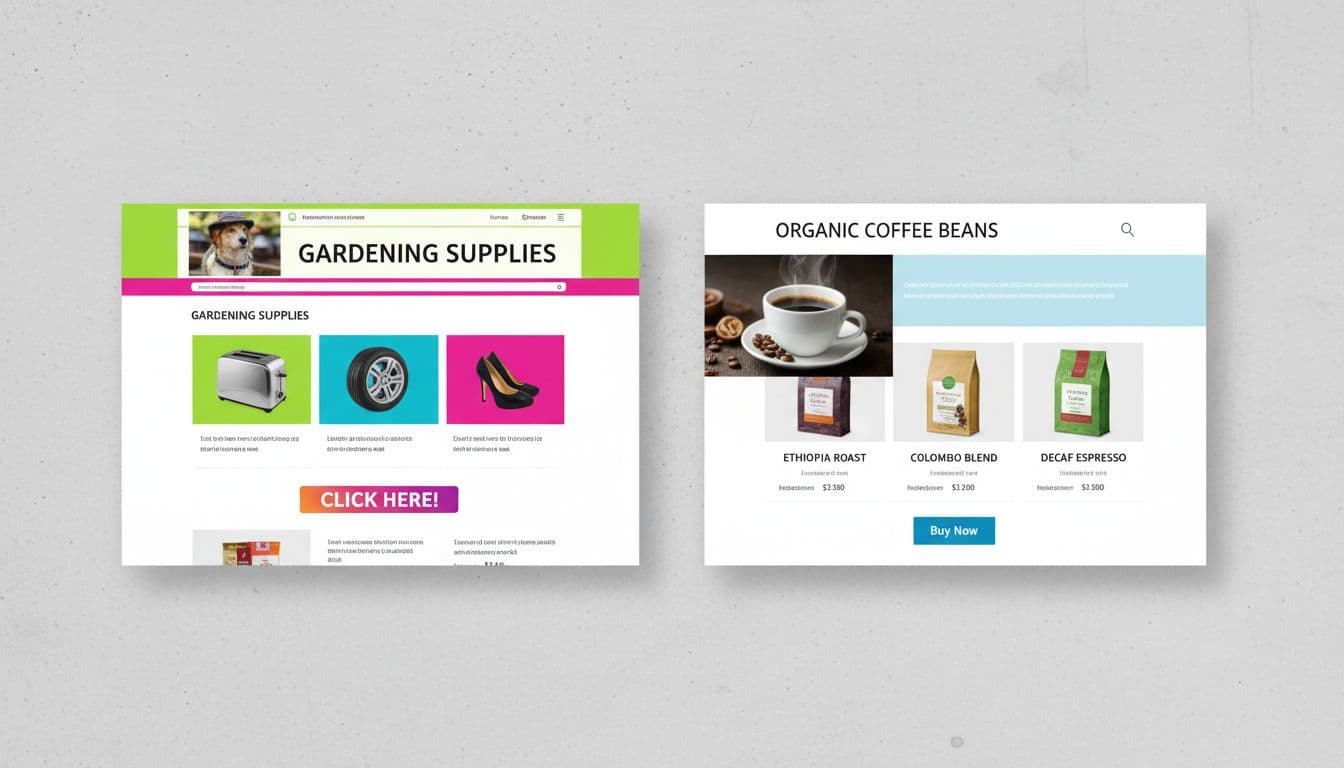
If phone users have to pinch, scroll, and hunt for a form, the page is working against you. That’s also why Quality Score and cost per lead often rise and fall together. When clicks get expensive and pages convert poorly, the account gets squeezed from both ends.
First, tighten your ad groups. A small group of closely related keywords almost always beats a catch-all bucket. In most local accounts, smaller themes lead to better ad copy and cleaner search terms.
Next, rewrite your ads so the headline matches what people typed. Use the service, city, or urgency when it fits naturally. Then send that click to the matching page, not the homepage.
A few fixes usually create the fastest lift:
Give each test enough time to gather clean data. If you change five things at once, the signal gets muddy.

Keep your eye on revenue, not just the score. A keyword with a 6 can still bring strong leads. A keyword with an 8 can still send junk. That’s why solid account work ties Quality Score back to calls, forms, and booked jobs. If lead costs are climbing too, this guide on Google Ads cost per lead troubleshooting can help you find the next bottleneck.
If you don’t want to babysit search terms, ads, and landing pages every week, professional Google Ads management services can keep the account tighter and more accountable. Paid traffic is powerful, but it’s still rented attention. Many small businesses also pair ads with results-based SEO, so they can build visibility that keeps working after the daily budget stops.
A low google ads quality score usually isn’t random. It’s Google telling you the search journey feels disconnected. Fix the match between keyword, ad, and landing page, and the numbers often improve fast. Most importantly, judge every change by leads and sales, because better relevance doesn’t just lower waste, it builds a healthier marketing engine.


