
Your phone rings, but too many callers want the wrong service, ask odd questions, or hang up within seconds. For many small businesses, those paid calls feel busy in the dashboard and useless in real life.
That usually means your campaign is pulling attention without enough intent. Once you see where the noise comes from, you can cut waste, protect your budget, and build a lead flow that feels more like sales and less like static.
When owners talk about Google Ads spam calls, they often mean three different things at once. Some calls are true spam, like robocalls or fake “Google” reps. Many others are simply bad-fit leads, people who want a different service, live outside your area, or were never ready to buy.
That difference matters because the fix changes with the cause. Blocking numbers may stop repeat junk callers, but it won’t solve a campaign that keeps matching broad, low-intent searches.
Google says this plainly in its guidance on unwanted calls. If your call ad or call asset appears for general keywords, you can get calls from people asking about products or services you don’t offer.
For a small business, that gap hurts fast. Every junk call costs ad spend, staff time, and focus. If the owner answers the phone, the cost is even higher because it pulls attention away from paying work.
The phone format makes the problem worse. A searcher can tap and call before reading your website, service area, price range, or exclusions. That lower friction can help in urgent jobs, but it also invites loose inquiries.
Most bad ad calls start with a targeting problem, not a phone problem.
So if your ads bring plenty of calls but few real jobs, don’t start by blaming the channel alone. Start by asking whether the search term, the ad, and the call setup are attracting the right person in the first place.
Broad keywords are usually the first culprit. A plumber bidding on “leak,” “pipes,” or “water problem” may show up for apartment renters, DIY searches, school projects, or warranty questions. An HVAC company bidding on “air conditioning” can pull in people shopping parts, asking for free help, or calling from cities the company doesn’t serve.
Location settings create another leak. Many small businesses target a city or county, but the campaign may still show to people who are “interested in” that area, not physically there. That sounds harmless until calls start coming from travelers, job seekers, or people helping a relative two states away.

Call-first formats can also flood the line with weak leads. Call-only ads and aggressive call assets skip an important filter, the landing page. When someone goes straight from search result to phone call, they may not see your service details, hours, area, or what you don’t do. For complex services, that missing step can turn a good campaign into a noisy one.
Some of the junk doesn’t come from buyers at all. Competitors may check prices. Lead sellers sometimes test numbers. Sales reps scrape public ad numbers and call with pitches. Those calls feel like “Google Ads spam,” even when they aren’t true ad leads.
Then there are fake Google callers. Google warns that it won’t make an unsolicited call asking for your password or payment details, and it offers steps to secure your Google Ads account from suspicious calls. If someone claims Google can “guarantee” a top spot or needs your card over the phone, treat that as a scam. Businesses can also review Google Business Profile fraud protection tips when these calls keep showing up.
Seasonality adds one more layer. Urgent industries like towing, plumbing, restoration, and locksmith work attract fast callers. During busy periods, people call before they read. If your keyword list is loose at the same time, the line fills with noise before the good leads break through.
A call campaign can look healthy while the sales team feels the opposite. The reason is simple: Google measures calls, but your business cares about qualified calls.
If you count a conversion at 30 seconds, short wrong-number calls, confused callers, or weak inquiries may still count. Then the algorithm learns from that signal. It starts looking for more people who behave like the callers you marked as valuable, even if your staff knows those calls rarely turn into revenue.
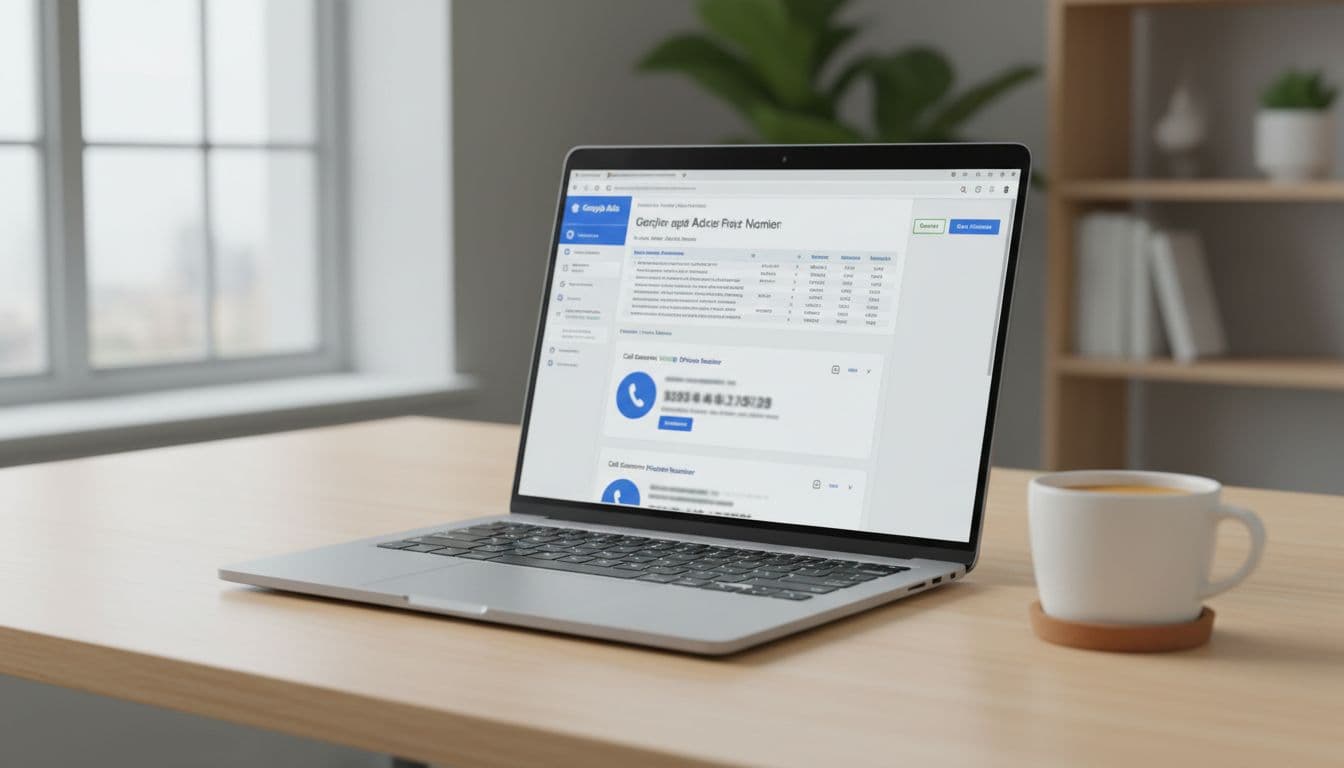
Google has started improving this with AI-Qualified Call Conversions, which can filter some robocalls, misdials, and other non-qualified interactions from reporting. That’s useful, but it doesn’t replace solid campaign structure. If the keyword is wrong, cleaner reporting won’t magically create buyer intent.
Attribution also gets messy fast. Some calls come from call assets in ads. Others come from your website after a paid click. Some come from your public number on your site, your Google Business Profile, or a directory listing. If all of that is lumped together, you may think Google Ads caused every bad call that week.
That’s why raw call volume is a poor scorecard. A better review looks at booked jobs, call quality, service fit, and cost per real lead. If the dashboard looks strong but revenue feels weak, the issue often sits in intent, tracking, or both.
For a deeper look at that gap, this guide on improving Google Ads lead quality explains why high click-through rates and strong call counts can still produce weak sales results.
Most spam-like calls leave clues. When you match the clue to the cause, the fix becomes easier.
| What you see | What it usually means | First fix |
|---|---|---|
| Many calls under 20 seconds | Broad keywords or accidental taps | Tighten match types and add negatives |
| Calls from the wrong towns | Loose location settings | Use presence-based targeting and exclusions |
| Lots of questions about services you don’t offer | Ad copy is too broad | Clarify service and exclusions in ads and pages |
| Call numbers look good, sales don’t | Weak conversion rules | Raise call length threshold and review quality |
The pattern is clear: most junk calls start upstream, before the phone rings.
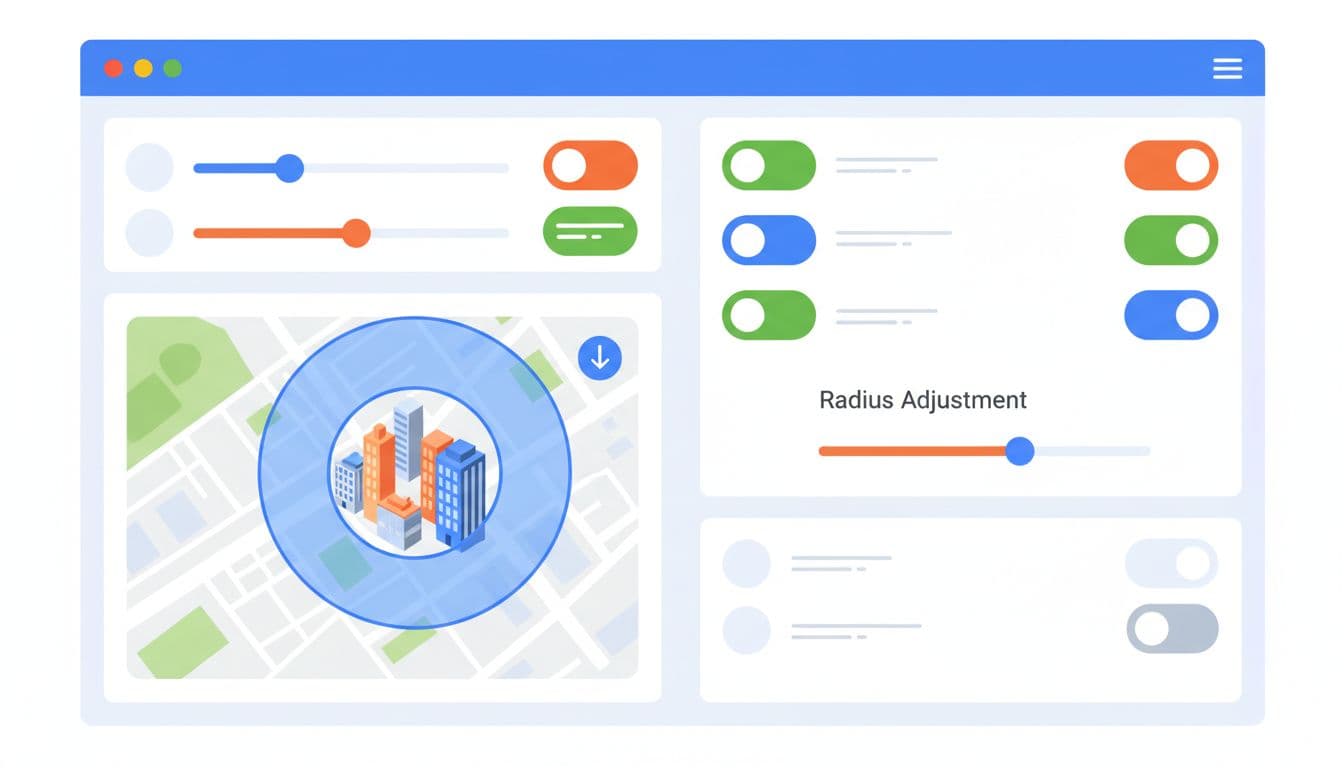
First, tighten your keyword list. If you depend on calls, lean harder on phrase and exact match for high-intent searches. Service plus city, service plus emergency, and branded terms usually beat vague category terms. Cut anything that invites research traffic, DIY traffic, student traffic, or job seekers.
Next, build a real negative keyword list. “Free,” “jobs,” “salary,” “training,” “customer service,” and “parts” are common starters. Then review the search terms report every week and keep adding waste. One good negative list can save more money than a fresh ad rewrite.
Also fix your location settings. Many accounts still run too wide because nobody changed the default. Choose the option that targets people in your service area, not people showing casual interest in it. Then exclude cities or ZIP codes you know don’t work.
After that, decide whether every searcher should go straight to a phone call. For many businesses, the answer is no. Sending colder traffic to a focused landing page helps people self-qualify. They can see your service area, main offer, price range, and what you don’t do before they ever dial.
Your conversion rules need attention too. If a 30-second call almost never becomes a customer, stop teaching the system that it matters. Raise the threshold. Review call recordings where legal. Track booked jobs, not only connected calls. Otherwise, the campaign will keep chasing easy phone activity instead of good business.
Finally, judge management by sales quality, not dashboard volume. If your agency talks mostly about clicks, impressions, and cost per click, the hard part may be missing. Better Google Ads management services focus on search intent, wasted spend, and qualified leads, because those are the numbers a small business can take to the bank.
Google Ads can work well for urgent, high-margin services with clear search intent. It usually works less well when the offer is broad, the average sale is small, or the team can’t answer and qualify calls quickly.
This is where many small businesses get trapped. They buy paid traffic before they know which searches bring the best customers. Then they judge success by whether the phone rings, not whether the right customer called.
If your business serves many towns, offers several services, or needs education before a sale, pure call-driven PPC can get expensive fast. Too many clicks go straight to weak conversations. Meanwhile, the best prospects may want to read, compare, and trust you before they contact you.
That’s one reason SEO often fits small businesses better over time. A well-built service page filters people before the call. It tells them what you do, where you work, and why you’re different. By the time they reach out, they usually have stronger intent.
Risk matters too. Many owners are tired of paying monthly retainers while hoping the lead quality improves later. If you’re comparing agencies, this SEO due diligence checklist helps you look past the pitch and focus on proof, tracking, and accountability.
Organic traffic doesn’t remove bad leads completely, but it usually creates better self-screening. A person searching for a service plus a city, reading your page, and then calling is often closer to buying than someone who tapped a phone number after a two-word search.
That extra step is useful. The prospect sees your specialty, service area, photos, reviews, and call to action before dialing. As a result, fewer callers ask basic mismatch questions, and more of them understand what kind of job you handle.

Performance-based SEO adds another advantage for small businesses. A performance SEO services model puts more pressure on the agency to produce ranking results that matter, instead of collecting months of fees while the business carries all the risk. That kind of setup tends to favor clear intent, real service terms, and local keywords that can turn into calls.
It also fits how owners think about cash flow. When payment follows real movement, whether that means agreed rankings, map visibility, or another clear milestone, the conversation becomes more honest. The agency has to show progress. The business doesn’t have to fund endless “brand building” with no hard outcome.
For many companies, the strongest setup is a mix. Use paid search where speed matters and the keywords are tight. Build organic rankings for the services and towns that should keep bringing leads long after the ad budget pauses. That balance gives you quick coverage without forcing every new lead through the noisiest path.
If your Google Ads calls are mostly junk, the problem usually started before the phone rang. Loose keywords, wide locations, call-first formats, and weak tracking can all turn paid search into an expensive guessing game.
The biggest shift is simple: stop measuring call volume as if every call has value. Measure qualified intent, then shape the campaign around it.
And if paid calls still bring more noise than business, build a stronger base with channels that let prospects pre-qualify themselves first. A ringing phone only helps when the right customer is on the other end.


