
Ranking in Google Maps can feel like a win, until you search your service and your website is nowhere near page one. That gap throws off a lot of small business owners.
The reason is simple: Google Maps and organic search are connected, but they don’t rank businesses the same way. Once you understand the difference between google maps vs organic, the fix gets much easier to plan.
Think of Maps as your shop window. Organic search is the whole building behind it.
Google Maps is built for local intent. It cares a lot about proximity, your Google Business Profile, reviews, categories, and how well your listing matches the search. Organic search looks harder at your website, page quality, topical depth, links, and overall trust.
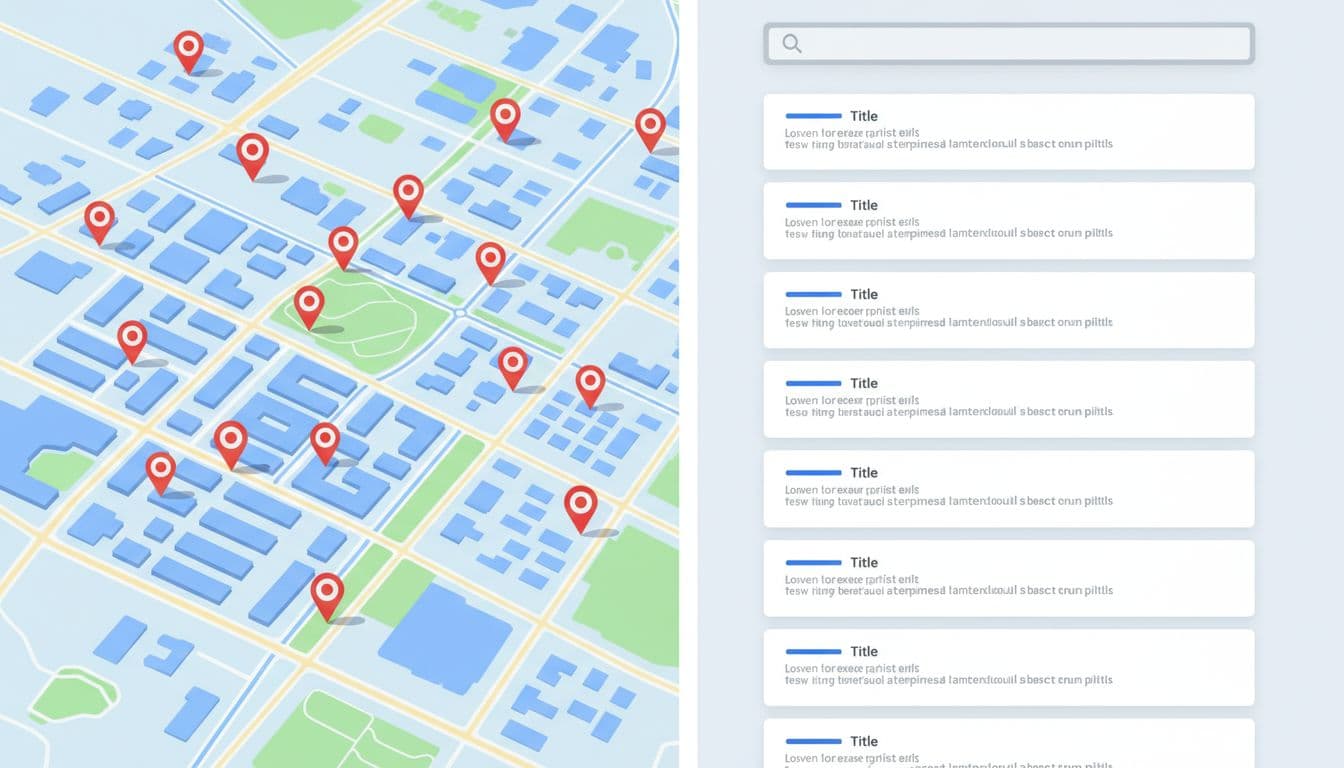
This quick comparison makes the split easier to see:
| Area | Google Maps | Organic Search |
|---|---|---|
| Main focus | Local relevance | Best website result |
| Strong drivers | GBP, reviews, distance | Content, links, site strength |
| Search behavior | “Near me” and city searches | Broader research and service searches |
| What wins clicks | Ratings, hours, location | Titles, content, authority |
So yes, you can rank in Maps without having a strong site. A complete profile with good reviews and a nearby address can carry you far in local pack results. If you want a deeper look at that split, this detailed look at maps ranking vs organic explains why the two systems often disagree.
Maps can reward a business for being close and well-presented. Organic ranking asks whether your website is the best answer.
That matters because many buyers don’t stop at the map pack. They click through, compare websites, and judge who looks most trustworthy. That’s why strong Google Maps SEO strategies help, but they don’t replace real website SEO.
The most common reason is simple: your Google Business Profile got attention, but your website didn’t.
Maybe you claimed your listing, picked the right category, added photos, and earned reviews. That can push you into Maps. Meanwhile, your website may still have a thin homepage, weak service pages, slow load times, or copy that barely mentions what you do and where you do it.
Distance also creates false confidence. In Maps, being near the searcher helps. In organic, Google won’t give you that same boost. If a competitor has better pages, stronger links, and clearer service coverage, they’ll outrank you even if they’re farther away.
Reviews create another gap. They can lift Maps visibility and click-through rate, especially for service businesses. But reviews alone won’t make a weak site rank organically. If you’re wondering how much review strength matters locally, this guide on Google reviews for local rankings breaks it down well.
Other times, the problem is page intent. A plumber may rank in Maps for “emergency plumber near me” but fail organically because the site has no emergency plumbing page, no city page, and no useful content around that service. Google’s organic system wants a page that clearly answers the search, not a generic site that covers everything in one paragraph.
A recent guide to fixing both rankings points to the same pattern: local businesses often optimize the listing first, then ignore the website that has to support it.
The fix is not choosing Maps or organic. It’s making them support each other.
Start by lining up your Google Business Profile with the right landing pages. If your GBP highlights water heater repair, your site should have a strong page for water heater repair. If you serve three towns, your site should show real proof of that coverage. When the listing and the site tell the same story, Google has fewer reasons to hold your organic pages back.
A good catch-up plan usually includes:
After that, improve the basics that organic search still cares about. Tight title tags. Clear headings. Fast pages. Real before-and-after proof. Good photos. FAQs that answer buyer concerns. In other words, build pages that help people say yes.
You should also judge SEO by results, not activity. Plenty of small businesses pay retainers for months and get reports instead of rankings. A performance-based SEO model keeps the pressure where it belongs, on movement, leads, and page-one growth. If the work isn’t improving visibility, it shouldn’t be treated like success.
For a current breakdown of what pushes local results upward, this overview of Google Maps ranking factors is useful. Still, the bigger point is this: Maps can open the door, but organic pages often close the sale.
If you rank in Maps but not in organic search, your business isn’t broken. Your listing and your website are simply pulling different amounts of weight.
The smartest next step is to audit them side by side. Tighten your pages, connect them to your GBP, and focus on SEO work that has to prove itself with results, not excuses.


