
You look at the Map Pack, count the reviews, and the math feels wrong. Your business has more feedback, yet a rival with fewer reviews keeps showing up above you.
That gap frustrates small business owners because review count is easy to see and easy to compare. But in Google reviews and local SEO, the total number is only one signal. The business above you often has a tighter match for the search, the location, and the trust signals Google values most.
Most owners treat reviews like a scoreboard. More reviews should mean better rankings, right? Sometimes they help. Still, local search is not a simple race to the biggest number.
As Fuel Results explains in its Google Maps ranking breakdown, local rankings come down to relevance, distance, and prominence. Reviews sit inside that bigger picture. So when your competitor ranks higher with fewer reviews, Google may think their listing is a better fit for the exact search.
A quick comparison makes this easier to spot:
| What you notice | What Google also weighs |
|---|---|
| You have 180 reviews | Their primary category matches the search better |
| Your listing has more stars overall | Their recent reviews are newer and more detailed |
| Your profile looks active | Their website backs up the same services and locations |
| You know your business is stronger | The searcher may be closer to them |
That is why the results can look unfair. You are comparing one visible number. Google is comparing many signals at once.
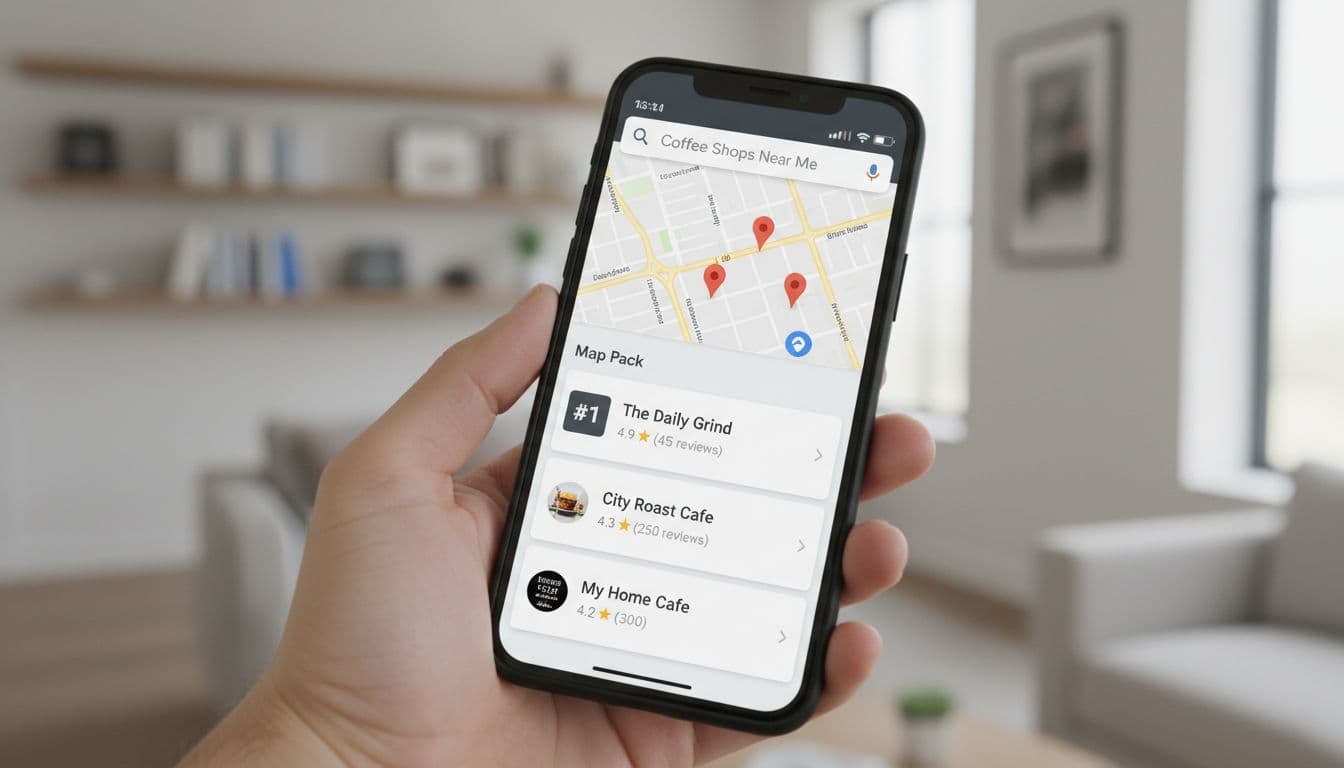
Relevance often gets ignored. If you are a roofing company but your competitor picked a sharper primary category, listed more specific services, and built service pages around those terms, Google may trust them more for that search. Distance also changes rankings by user. Two people in the same city can see different local results because they are standing in different places.
Prominence matters too, but prominence is broader than raw review volume. It includes rating, review pace, brand mentions, links, and how established your business looks online. So yes, reviews matter. They simply do not carry the whole load by themselves.
A competitor with 40 reviews can outrank a business with 140 if those 40 reviews send stronger signals. This is where a lot of local campaigns go off track. Owners chase volume and ignore review quality.
Google reads more than the star average. It also sees recency, consistency, and the words customers use. If your competitor gets a steady flow of detailed reviews that mention “emergency plumber,” “water heater repair,” or the city name, those reviews help Google connect that business to those searches. If your last 25 reviews say only “great job” or “nice people,” they help less.
Recent analysis of local pack ranking factors points to fresh reviews and steady review velocity as stronger signals than old volume alone. That fits what many owners see in the wild. A listing with old momentum often slides when a nearby competitor starts collecting current, relevant feedback every week.
A slow stream of fresh, detailed reviews often beats a large pile of old generic ones.
Rating also plays a role. A business with fewer reviews but a 4.9 average can beat one with more reviews and a 4.2, especially in crowded markets. Consumers react that way, and Google tracks user behavior. More clicks, more calls, and more direction requests tell Google that people prefer that listing.

Responses matter as well. An owner who replies to reviews, fixes complaints, and stays active sends a stronger trust signal than a silent profile. This does not mean you should script customer language or chase fake review tactics. That backfires. It means you need a clean process that asks happy customers at the right time and makes it easy for them to describe the service they received.
If you want a realistic target, this guide on setting realistic Google review goals for Maps is useful because it compares your profile with the businesses already winning in your area.
When two businesses are close on reviews, Google starts looking harder at the rest of the setup. This is where many small businesses lose ground without knowing it.
Your Google Business Profile has to match the real business. The primary category matters. Secondary categories matter. Services, service areas, business description, photos, hours, and regular updates all help Google understand what you do. If your competitor has a tighter, cleaner profile, fewer reviews may not hold them back.
Your website has to support that profile. If your listing says “kitchen remodeling in Phoenix” but your site barely mentions that service or location, Google gets mixed signals. Meanwhile, your competitor may have a page built around that service, proof photos, reviews on-page, and a clear phone number. That alignment can push them higher.
This is also why rankings slip after site changes. A redesign can remove location text, break internal links, change page titles, or point the profile to the wrong page. The business still exists, but the proof Google used to trust is now weaker.
For many small businesses, Google Maps SEO optimization starts with fixing those gaps, not with chasing another 50 reviews. The same idea shows up in any results-based SEO campaign. Activity does not matter if rankings and leads stay flat. What matters is whether the work improves the signals Google uses to rank local businesses.
Your competitor may also have stronger off-page signals. Local citations, consistent business info, relevant links, and branded searches can all feed prominence. None of these elements look flashy in a monthly report. Still, they often explain why the smaller profile keeps winning.
Start with a side-by-side audit. Search your main terms, open the top listings, and compare them like Google would, not like an owner would. That means looking beyond the review total.

Then fix the easiest gaps first. Update categories. Add missing services. Improve weak location pages. Build a review request process tied to completed jobs. Ask customers to be specific about the service and town, but never feed them fake wording.
Also, measure the right outcome. Small business SEO should be tied to rankings, calls, forms, and booked jobs. If your provider keeps sending reports full of impressions while the same weaker competitor stays above you, that is a problem. A good local SEO plan focuses on what moves visibility and revenue, not on busywork.
Some markets move fast once the basics are fixed. Others take longer because the top listings are strong. If you want a realistic expectation, this local SEO timeline to Google page 1 shows how reviews, profile strength, and site fixes usually play out over time.
Above all, stop treating reviews as the whole strategy. They are a big piece of the puzzle. They are not the puzzle.
That competitor with fewer reviews is not winning by luck. Google sees a broader set of signals, and their business may simply match the search better.
The strongest takeaway is simple: more reviews do not automatically mean better local rankings. Fresh, detailed reviews, a better profile setup, stronger website support, and cleaner local signals can beat raw volume. When you fix those gaps, the rankings start making sense, and then they start moving in your favor.


