
If you’re a small business owner, it’s fair to wonder whether local citations still matter or if they’re old SEO baggage. Local citations still matter, but not in the “submit to 200 directories and hope” way.
In 2026, citations work more like ID checks for your business. They help Google, Apple Maps, Bing, and AI-generated local results confirm that your company is real, active, and located where you say it is. The value is still there, but only when the data is clean.
The better way to judge citations is simple: look at where they support rankings, where they help leads, and whether they fit a results-first SEO plan.
Local citations are mentions of your business name, address, and phone number across directories, apps, and local websites. When people talk about local citations seo, they often picture mass submissions. That old playbook lost value because Google got better at spotting weak signals.
In 2026, citations act more like a verification layer. They help platforms compare your details across the web and decide whether your business looks trustworthy. That matters in Google Maps, but it also matters in Apple Maps, Bing, Yelp, and AI-generated local answers that pull from public business data.
A recent local SEO guide for 2026 highlights Google Business Profile, reviews, and on-page relevance as the main drivers of local visibility. Citations sit under those stronger signals. They don’t carry the campaign, but they help keep it stable.
The same shift shows up in citation building in 2026. The takeaway is simple: a handful of strong, accurate listings beats hundreds of weak ones. If your business moved, changed phone numbers, or picked up duplicate listings, citations can still affect rankings and customer trust in a big way.
They also create discovery paths outside Google. Some customers still start in Yelp, Apple Maps, or niche directories. For a newer business, that extra exposure can matter before your website builds much authority.
Consistency also protects conversion. If one listing shows a wrong suite number or old phone line, you can lose leads without noticing. Small businesses feel that loss faster because every missed call matters.
Citations reduce doubt. They don’t replace the rest of local SEO.
Citations help in a few practical ways. First, they back up your Google Business Profile data. Second, they can send referral traffic from directories people still use. Third, they reduce lost leads from wrong numbers, old addresses, or duplicate listings. Finally, they reinforce brand trust when your business appears the same way everywhere.
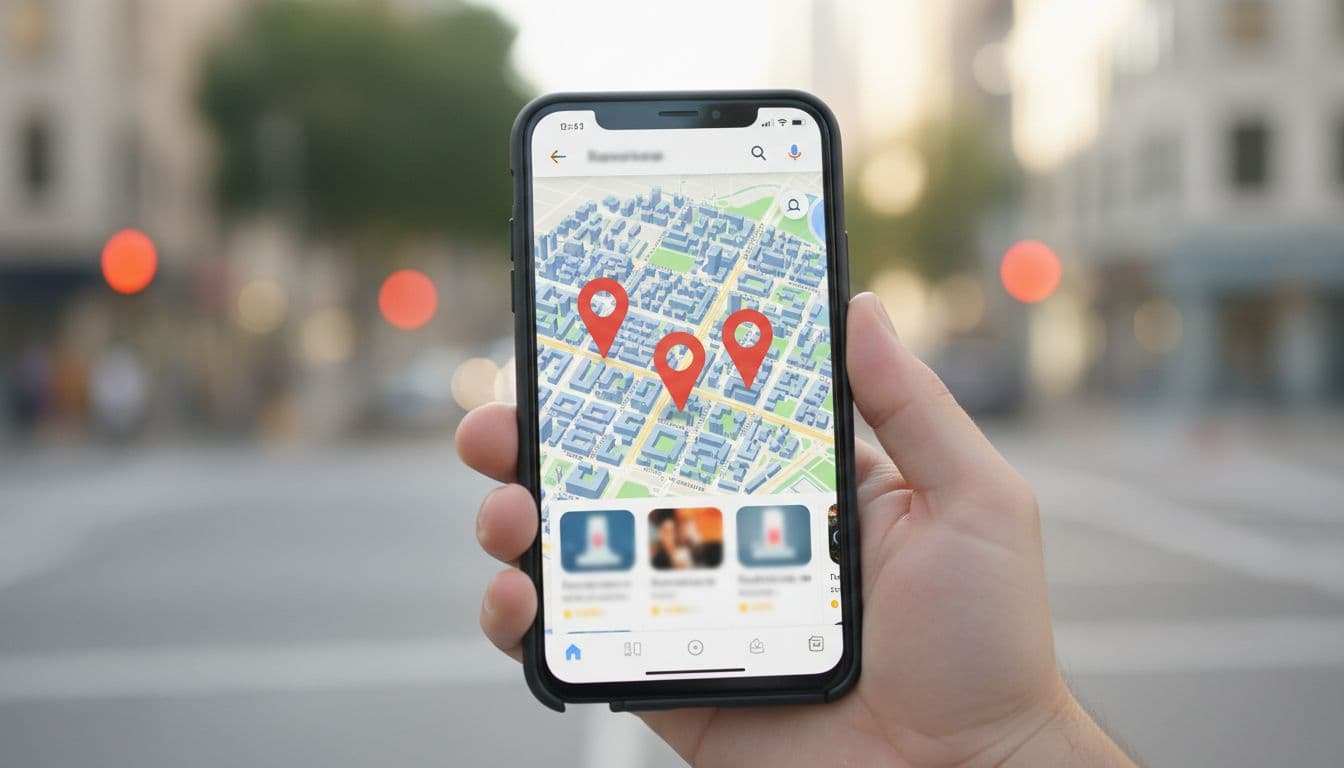
They also help Google trust that the business showing in the local pack is the same one customers mention elsewhere. In close local markets, that extra consistency can be the difference between being shown and being filtered out.
Still, citations don’t rescue weak local SEO. If your reviews are stale, your service pages are thin, or your primary category is wrong, you won’t outrank a competitor that fixed those basics. For many local businesses, strong Google Business Profile optimization moves faster because it affects both rankings and conversions.
This quick test shows where citations still pay off:
| Worth it when | Won’t fix the problem when |
|---|---|
| your NAP is inconsistent | your site doesn’t explain services or locations |
| you’ve moved or changed phone numbers | your reviews are weak or outdated |
| you’re opening a new location | your GBP category is wrong |
| key directories still send traffic | no one answers calls quickly |
The takeaway is simple. Citations help remove friction. They rarely create momentum on their own.
That is why cheap citation packages disappoint so many owners. A long list of low-value directories looks busy, but it doesn’t mean your phone will ring. Results-based SEO tracks map visibility, calls, and booked leads, then uses citations to support those numbers.
Keep the process boring and precise. That is usually what works.

Start with one exact business name, one main phone number, one website URL, and one address format. Use that same version everywhere. Then claim and clean the platforms that actually matter: Google Business Profile, Apple Maps, Bing Places, Yelp, Facebook, and a short list of industry directories.
Next, remove duplicates and old locations. A closed office from two years ago can still siphon calls. So can a call-tracking number left on an old listing. Then check hours, categories, and service areas so they match your site.
After that, tie citation work to real outcomes. If map rankings improve, branded searches grow, and calls rise, the cleanup helped. If nothing changes, the problem is probably somewhere else. It may be weak reviews, poor service pages, or thin internal structure.
If an agency talks about guaranteed rankings or pay-after-results SEO, ask how they handle messy listings first. Strong promises rest on clean business data. That is also why a performance SEO small business strategy beats a task-based retainer. Small business owners don’t need more SEO chores. They need work tied to results.
A simple rule works for most businesses:
That is enough for most companies. More volume rarely means more revenue.
If your business data is messy, local citations are still worth it in 2026. If your data is already clean, they stay useful, but only as part of a bigger local SEO system.
The days of chasing 200 directory listings are over. The better move is a performance-first plan that fixes citations, strengthens your Google presence, and measures what matters most: calls, rankings, and revenue. That is how small businesses turn local SEO from a checklist into a growth channel.


