
Building a successful sauna business online means getting found by people who are actually looking for what you offer. It’s not just about having a nice website; it’s about making sure search engines like Google know who you are and what you do. This is where sauna builder SEO comes into play. We’re going to look at some practical ways to get your sauna business noticed online, from figuring out what people are searching for to making your website work better and getting other sites to link to you. Let’s get your business seen by more customers.
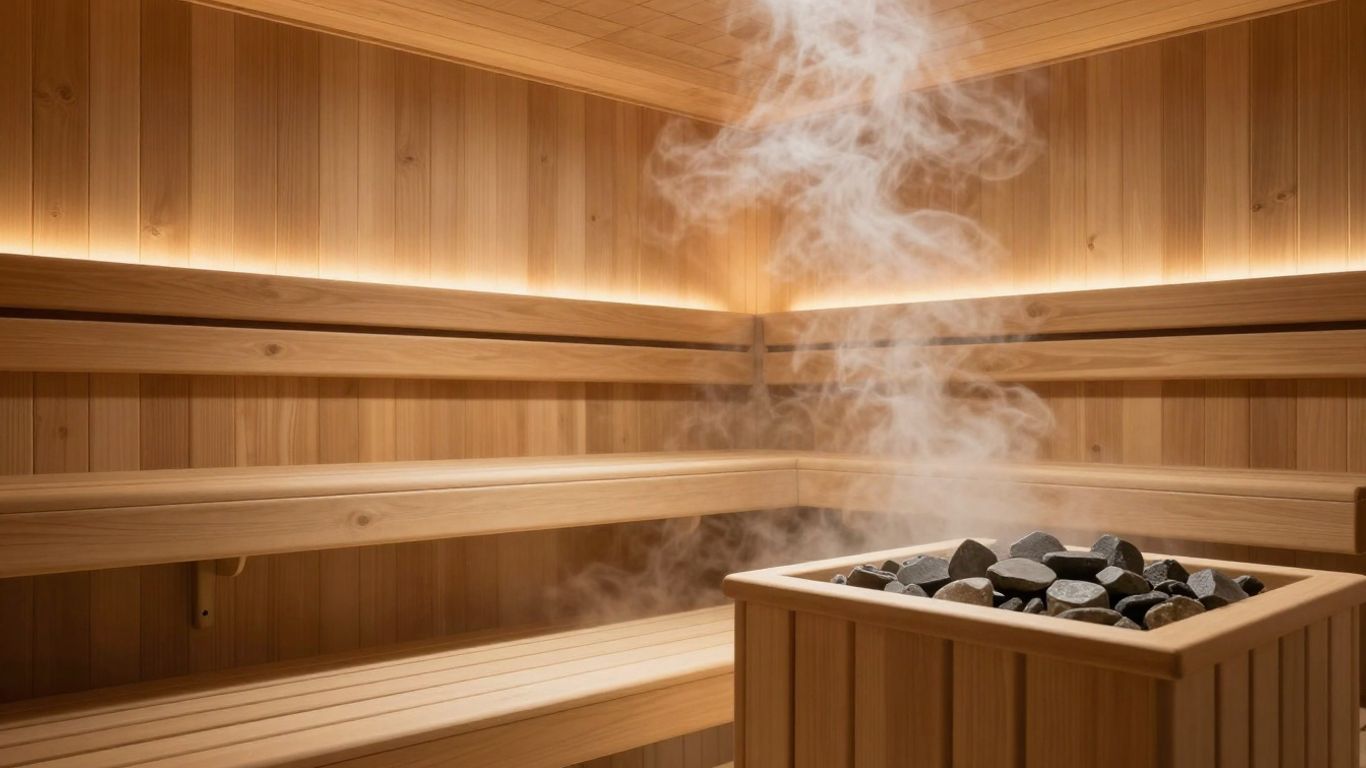
Alright, let’s talk about getting found online. For sauna builders, figuring out what people are actually typing into Google is step one. You can’t just build amazing saunas; you need folks to find you when they’re looking for one. This means digging into keywords – those search terms people use.
Think about what someone is looking for when they’re ready to buy. They’re not just browsing; they’re serious. These are terms like “infrared sauna for sale,” “custom outdoor sauna cost,” or “best home sauna installation.” These high-intent keywords signal a buyer who is further down the sales funnel. They’ve likely done some initial research and are now comparing options or looking for specific products or services. Targeting these terms means you’re showing up when it matters most, right when a potential customer is ready to make a decision.
Don’t forget about the longer, more specific phrases people use. These are called long-tail keywords. They might seem niche, but they often have less competition and attract really focused buyers. For example, instead of just “sauna,” someone might search for “small backyard infrared sauna for two people” or “cedar wood outdoor sauna with wood-burning stove.” These phrases tell you exactly what the person wants. They’re goldmines for attracting qualified leads who know what they’re looking for.
Take a peek at what your successful competitors are doing. What keywords are they ranking for? Tools can help you see which terms are bringing traffic to their sites. This isn’t about copying them, but about understanding the landscape. You might discover keywords you hadn’t considered or see where there are gaps you can fill. It’s a smart way to get ideas and refine your own keyword list.
Here’s a quick look at some keyword types:
Understanding these different types helps you create content that matches what people are searching for at every stage of their journey.
Making sure your website is set up right is a big deal for getting found online. For sauna builders, this means making your product pages and descriptions really shine. Think about what someone looking for a sauna actually wants to know. They’re probably interested in the materials, the size, how it heats up, and maybe even the specific benefits of using it. Your descriptions should paint a picture of relaxation and wellness.
When you’re writing up the details for each sauna model, don’t just list specs. Tell a story. What kind of wood is it? What’s the feeling when you step inside? Use words that evoke warmth and comfort. For example, instead of just saying ‘6-person sauna,’ you could say ‘Spacious 6-person sauna, perfect for family gatherings or a solo retreat.’ Include details about the heating system – is it infrared, traditional steam, or something else? Mention any special features like chromotherapy lights or built-in sound systems. This level of detail helps potential customers visualize themselves using the sauna and makes your product pages more engaging. It’s also a great place to naturally weave in keywords that people might search for, like ‘infrared home sauna’ or ‘cedar wood sauna kit’.
Every picture on your website is an opportunity. For your sauna images, make sure the alt-text isn’t just ‘sauna1.jpg’. Instead, describe what’s in the photo, like ‘Interior view of a modern infrared sauna with LED lighting’ or ‘Outdoor barrel sauna installation in a backyard setting’. This helps search engines understand what your images are about, and it’s also super important for accessibility. If someone can’t see the image, the alt-text tells them what it is. Similarly, your page titles and meta descriptions should be clear and include relevant keywords. Think of them as the first impression someone gets in search results. A good title might be ‘Luxury Infrared Saunas for Home | [Your Brand Name]’ and a meta description could summarize the key benefits and types of saunas you offer.
Keep your website addresses (URLs) simple and easy to understand. If you have a page for a specific sauna model, the URL should reflect that. For instance, a URL like yourwebsite.com/saunas/infrared/model-x-deluxe is much better than yourwebsite.com/prod?id=12345. This makes it easier for both users and search engines to know what the page is about at a glance. It also helps with organizing your site, which is good for SEO. Think about how you’d want to share a link to a specific sauna – a clean URL is always preferable. This structure also helps when you’re looking at your website analytics and trying to figure out which pages are getting the most traffic. It’s a small detail, but it adds up. You can also find more information on how to optimize your site structure by looking at local business schema markup best practices.
Creating content that really speaks to people interested in saunas is key. It’s not just about showing off a nice product; it’s about connecting with their desire for relaxation, health, and a bit of luxury. Think about what someone looking for a sauna is actually thinking about. They’re probably dreaming of unwinding after a long day, or maybe they’re really into the health benefits. Your content needs to tap into those feelings and provide real answers.
People spend a lot of time researching before making a big purchase like a sauna. That’s where good buying guides come in. You want to make it super easy for them to understand all the options out there. What’s the difference between an infrared sauna and a traditional one? What kind of wood is best? How big does it need to be for their family? Answering these questions clearly builds trust. A well-researched guide can be the difference between a browser and a buyer.
Here’s a quick look at what to cover:
Providing clear, unbiased information upfront helps potential customers feel confident in their decision-making process. It shows you’re more interested in helping them find the right fit than just making a sale.
Saunas aren’t just about looking good; they’re about feeling good too. Many people are drawn to saunas for their health benefits. You can create blog posts, articles, or even short videos that talk about these advantages. Think about topics like stress relief, muscle recovery after workouts, improved circulation, or better sleep. Backing these claims up with simple explanations or links to studies can make your content really stand out. This kind of content positions your brand as knowledgeable and caring about overall well-being, not just selling a product. It’s a great way to attract people who are actively searching for ways to improve their health, and it can help them discover the benefits of a sauna in the process. You might even want to explore how saunas can complement other wellness practices, like yoga or meditation. For more on wellness trends, check out Creative Energy’s insights.
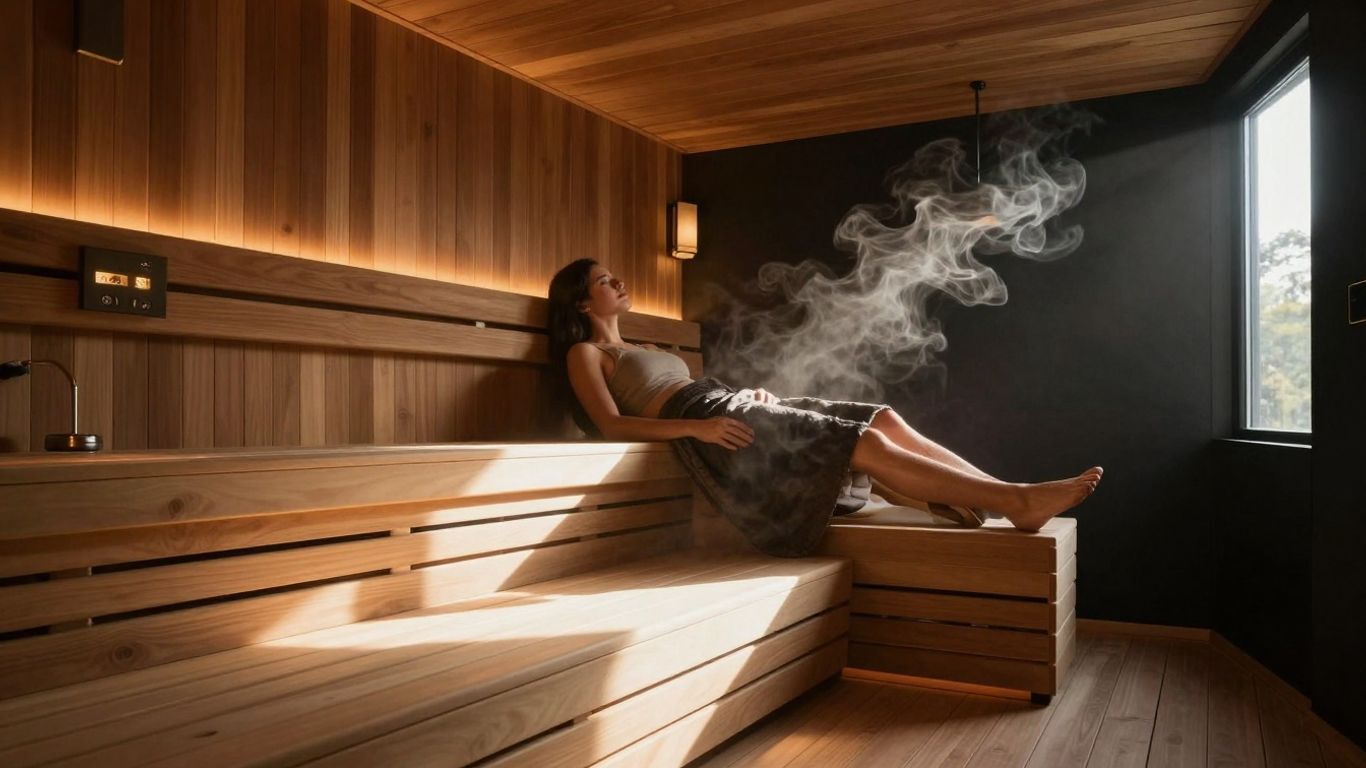
Let’s be honest, saunas can be beautiful additions to a home. People love to see what’s possible. High-quality photos and videos showing saunas in different settings – from a modern backyard to a cozy cabin – can spark imagination. Show people not just the sauna itself, but the experience. Think about images of people relaxing, steam gently rising, or a beautifully designed space. This visual content is perfect for platforms like Instagram and Pinterest, but it also works wonders on your own website. It helps potential customers visualize the sauna in their own lives and adds that aspirational element that makes them want it even more. It’s about selling a lifestyle, not just a structure.
Getting other websites to link to yours is a big deal for search engines. It’s like getting a vote of confidence from another site. For sauna builders, this means showing up on places that people trust when they’re thinking about home improvements or wellness.
Think about writing articles for blogs that talk about home design, renovations, or even healthy living. If you can share some cool ideas about how a sauna fits into a modern home or the health benefits of regular sauna use, that’s a win. You get to share your knowledge, and they get good content for their readers. Plus, they’ll usually link back to your site, which is exactly what we want. It’s a good way to reach people who might not be actively searching for saunas yet but are interested in improving their homes.
Don’t forget about the local angle. Getting your business listed in online directories that focus on your area is super important. Think of things like the local Chamber of Commerce website, or any online yellow pages that are still relevant. These listings often include a link back to your website. It helps people in your town find you when they search for local services, and it tells search engines that your business is a real, active part of the community.
This is where you team up with other businesses that serve a similar customer but don’t directly compete. Maybe you partner with a high-end home builder, a luxury spa, or even a company that sells fitness equipment. You could do a joint promotion, co-host an event, or even just cross-promote each other on your websites and social media. If they link to your site from theirs, it’s another strong signal to search engines that you’re a reputable business. It’s all about building connections that benefit everyone involved.
Building links isn’t just about getting a number to go up. It’s about building relationships and becoming a recognized name in your industry and local area. Think quality over quantity; a few links from really relevant, trusted sites are worth more than a bunch from random places.
Here are a few ideas to get you started:
This is probably the most important thing you can do for local search. Your Google Business Profile (GBP) is your digital storefront on Google Maps and local search results. Make sure it’s completely filled out and accurate. This includes your business name, address, phone number (NAP), website, hours of operation, and categories. Upload high-quality photos of your saunas, your showroom, and even your team at work. People want to see what you offer and who you are. Think of it as your online business card, but way more detailed.
Reviews are gold. They build trust and provide social proof. Actively ask happy customers to leave a review on your Google Business Profile. Don’t just ask, though; make it easy for them by providing a direct link. Once you get them, respond to every single one, good or bad. A polite, professional response to a negative review can actually turn a bad situation into a positive one, showing potential customers that you care about feedback and are committed to customer satisfaction. It also shows Google that your business is active and engaged.
When people search for saunas locally, they often include their location. Think about terms like “sauna builder [your city]”, “infrared sauna installation [nearby town]”, or “custom home sauna near me”. Incorporate these geographically relevant keywords naturally into your website content, especially on your service pages and location-specific landing pages. If you serve multiple areas, create dedicated pages for each major service area. This helps search engines understand where you operate and match you with local searchers.
Here’s a quick breakdown of how to approach local keyword targeting:
Being visible to people in your immediate vicinity is key for a business like yours. It’s not just about being found online; it’s about being found by the right people who are ready to buy.
Let’s be honest, saunas aren’t just about heat and steam; they’re about a whole vibe. They’re about relaxation, wellness, and creating a personal sanctuary. Because of this, showing people what your saunas look like and how they feel is super important. This is where visual platforms really shine. Think of them as your digital showroom, but way more engaging.
Instagram is practically built for showing off beautiful things, and custom saunas definitely qualify. You want to post high-quality photos and short videos of your best work. Think about different angles, the materials used, and how the sauna fits into a home’s overall design. Using Reels to show a quick before-and-after of a sauna installation or a time-lapse of a custom build can grab a lot of attention. Don’t forget to use relevant hashtags like #saunadesign, #homegym, #wellnessspace, and #customsauna to reach people who are actively looking for this kind of luxury.
Pinterest is where people go when they’re dreaming up their next project or looking for ideas. You can create boards dedicated to different sauna styles – maybe one for modern infrared saunas, another for rustic outdoor wood-fired models, or even a board focused on the health benefits with calming imagery. When people pin your sauna images to their own boards, it’s like free advertising. Make sure your pins link directly back to the relevant page on your website, so interested users can easily find more information or start a quote.
YouTube is the place for longer-form content. You can create videos that walk viewers through the benefits of different sauna types, show detailed tours of completed projects, or even interview satisfied customers. A video showing a day in the life with a home sauna, highlighting the morning relaxation or evening wind-down, can be very compelling. Consider creating explainer videos about the installation process or maintenance tips. This kind of content not only attracts viewers but also positions you as a knowledgeable authority in the sauna building space. It’s a great way to answer common questions before potential clients even have to ask them.
Making it easy for folks to interact with your sauna business online and in person is a big deal. It’s not just about selling a product; it’s about making the whole process smooth and even fun. Think about how people shop for big items these days. They want options, they want to see things clearly, and they want to feel confident in their purchase. Digital tools can really help with that.
Imagine a potential customer standing in their backyard, phone in hand, and being able to see exactly how a new sauna would look right there. That’s the power of augmented reality (AR). Instead of just looking at pictures or floor plans, they can get a real feel for the size and style. This isn’t some futuristic dream; it’s a tool that’s becoming more common and can make a big difference in how people decide.
Letting customers play around with designing their own sauna can be a game-changer. Think of it like a virtual sandbox where they can pick sizes, materials, interior features, and even lighting. This kind of tool does a few things:
This hands-on approach makes the buying process feel more personal and less like a generic transaction. It also gives your sales team a clear starting point when a customer reaches out with a custom design in mind.
After someone invests in a sauna, they want to know they’re covered. Clearly showing off your warranty information and the support you offer is super important. This builds trust and reduces any lingering doubts a customer might have.
A strong warranty isn’t just a piece of paper; it’s a promise to your customer that you stand behind your product. Make sure this promise is easy to find and understand on your website and in your sales materials. It shows you care about their long-term satisfaction, not just the initial sale.
Here’s a quick look at what to emphasize:
Making these details readily available and easy to digest helps customers feel secure and valued, which can lead to positive word-of-mouth and repeat business.
So, we’ve gone over a bunch of ways to get your sauna building business noticed online. It might seem like a lot, but really, it’s all about making it easy for people looking for a sauna to find you. Think about what keywords they’d type into Google, make sure your website looks good and works well, and share some cool pictures and info about what you do. Don’t forget about local searches either, because people often look for businesses right in their area. By putting these ideas into practice, you’ll be well on your way to attracting more customers and building a stronger business. It’s not rocket science, just smart steps to connect with people who want what you build.
Keywords are words or phrases people type into search engines like Google when they’re looking for something. For your sauna business, finding the right keywords, like “home sauna installation” or “infrared sauna benefits,” helps people find your website when they’re searching for saunas. It’s like using the right signposts so customers can find your store.
You can make your website show up better by optimizing it. This means using your important keywords in your website’s titles, descriptions, and even in the text on your pages. Also, make sure your website is easy for people to use and loads quickly. Think of it as making your online shop look neat and organized so visitors can find what they need easily.
You should create helpful and interesting content. This could be guides on how to choose the right sauna, articles about the health benefits of using a sauna, or beautiful pictures and videos of saunas in nice homes. This shows people you know a lot about saunas and can help them make a good choice.
Link building is like getting other reputable websites to link back to your website. When other good websites, like home design blogs or local business sites, link to you, it tells search engines that your website is trustworthy and important. It’s like getting a recommendation from a friend.
To help local customers find you, you need to focus on local SEO. This includes making sure your Google Business Profile is complete and up-to-date with your address, hours, and photos. Also, encourage customers to leave reviews and use keywords that include your city or neighborhood, like “sauna builder in [your city].”
Saunas are often a big purchase, and people want to see what they’re getting. Using high-quality photos and videos on websites like Instagram, Pinterest, and YouTube lets potential customers see how beautiful saunas can look and how they can fit into their homes. It helps them imagine themselves enjoying a sauna.


