
One day your page shows up for a money keyword. A few days later, it vanishes. If your service page rank disappears like that, the problem usually isn’t bad luck.
For small business owners, this is more than an SEO annoyance. It means fewer calls, fewer quote requests, and a lot of second-guessing. The good news is that Google usually leaves clues. Once you know what changed, you can fix the page without tearing your whole site apart.
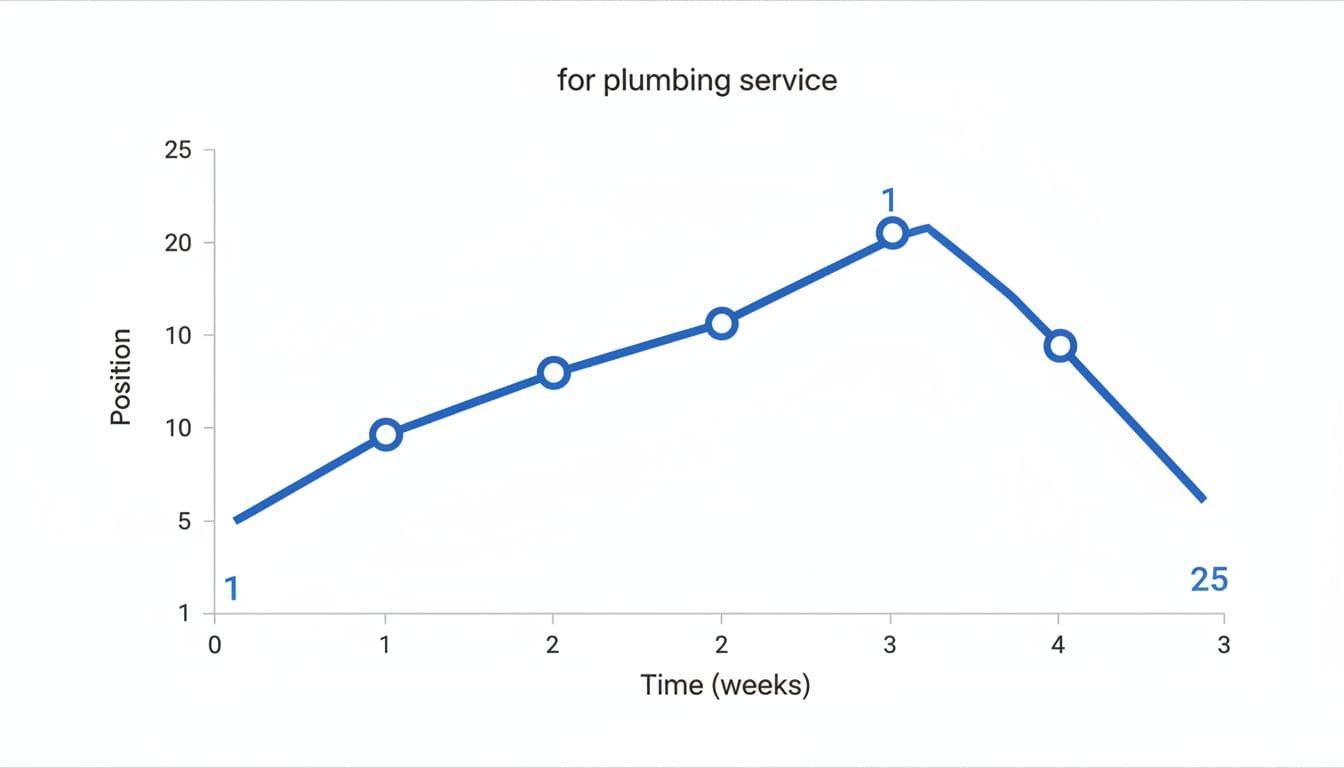
A short-lived ranking jump often means Google is testing your page.
When you publish a new service page, or make major edits, Google may give it temporary visibility. Think of it like a trial run. If searchers don’t click, stay, or convert, that early boost can fade fast.
Another common cause is a weak intent match. Your page might be about “roof repair,” but the search results favor emergency repair pages, city pages, or guides. In that case, Google may test your URL, then switch to something it thinks fits better. This is why many businesses see a homepage or blog post rank instead of the page that should bring in leads. If that sounds familiar, this guide to service page ranking issues explains the mismatch well.
Mixed signals inside your own site can also push rankings off a cliff. If several pages target the same service, Google has to choose. Sometimes it rotates between them. Other times it picks the wrong one and your main page disappears. That’s where a focused plan to fix wrong page ranking can save a lot of wasted effort.
In 2026, thin pages are getting hit harder too. Generic service blurbs, copy-paste city pages, and obvious AI filler don’t hold up well. Google is quicker to pull back pages that feel empty or repetitive. Some end up sitting in “Crawled, currently not indexed” because the page doesn’t offer enough value.
Local businesses face one more twist. If your visibility depends on weak reviews, copied location pages, or special search features that change, rankings and clicks can drop together.
A temporary ranking spike is often a test, not a promise.
Don’t start rewriting headlines in a panic. First, open Search Console and look at the page through a clean lens.
Filter by the main query, then compare the last 28 days to the previous period. After that, switch to the Pages tab. You’re trying to see whether the same query started triggering a different URL, or whether the whole topic lost visibility.

These are the patterns that matter most:
Also check when the drop happened. If it lines up with a large content edit, a template change, or new pages on the same topic, you’ve got a strong lead. If the timing doesn’t match your edits, compare what competitors started doing. A few better links, stronger reviews, or sharper service pages can push you out.
For a practical recovery flow, this Google rankings recovery framework is worth reading. It helps separate true ranking loss from normal noise. You should also keep simple 30-day SEO results tracking in place, so you’re measuring calls and form leads, not just position changes.
Once you know the cause, fix the page with restraint. Wild changes usually make things worse.
Start by making the page more specific. A strong service page says what you do, where you do it, and why someone should trust you. Add real photos, local proof, FAQs, service details, and examples from actual jobs. If the page reads like it could belong to any business in any city, it won’t hold rankings for long.
Next, clean up competing signals. Link to the main service page from related pages with natural anchor text. Reduce overlap between city pages, blog posts, and service pages. If two pages are doing the same job, combine them instead of making Google guess.
Then look at off-page trust. Real reviews still matter, especially for local services. So do mentions and links from relevant local or industry sites. At the same time, fake-looking review patterns can backfire, and Google has become more aggressive about filtering them.
Most importantly, judge the work by business results. Rankings that don’t lead to calls aren’t worth much. That’s why many small businesses prefer a results-based ranking strategy over paying monthly for vague activity. If a page is unstable, you need clear proof of what changed, what improved, and whether leads followed.
For a broader look at why pages lose search visibility over time, this breakdown of why pages stop ranking adds useful context.
When a service page disappears, Google is usually reacting to mixed signals, weak content, or a better competitor page. Start with Search Console, confirm which URL Google prefers, and strengthen the page before making bigger changes. Small businesses don’t need more SEO busywork, they need stable rankings that turn into leads. Fix the cause, track the outcome, and the page has a much better shot at sticking.


