
SEO rankings rarely disappear the day you cancel a contract. The problem is slower than that, which is why many owners do not notice the damage until leads start thinning out.
If you stop paying for SEO, your site may hold steady for a while, then slide. The timeline depends on how strong the site is, how fast competitors move, and whether the work built lasting assets or short-term bumps. For a small business, that difference can mean a quiet month or a painful quarter.
Start with the timeline, then look at what makes rankings stick.
Google does not know whether you paid an agency this month. It only sees whether your site is still helpful, fast, trusted, and current.
Google does not punish you for canceling SEO. Rankings fall because your site stops improving while other sites keep moving.
That is why most businesses do not see an instant crash. SEO.com’s guide to stopping SEO says the drop is usually gradual. One analysis of SEO pauses puts the first visible slide at about 4 to 8 weeks for many sites.
This is the pattern many small businesses see after they stop paying for SEO:
| Time after stopping | What often happens |
|---|---|
| 0 to 2 months | Little movement if the niche is calm and the site is sound |
| 2 to 6 months | Competitive keywords soften, traffic starts to dip, map pack spots move around |
| 6 to 12 months | Top positions drop, organic leads thin out, stale pages lose clicks |
| 12+ months | Recovery gets slower and often costs more than light upkeep would have |
The age of the site matters too. An older domain with steady backlinks and branded searches usually has more cushion. A newer site, or one that only recently hit page one, can lose ground faster because Google has less history to trust.
Some campaigns last longer. Long-term case examples suggest well-built rankings can hang on for 4 to 7 months, sometimes more. Still, the ceiling depends on the market. A roofer in a smaller city has more room than a dentist in a packed metro.
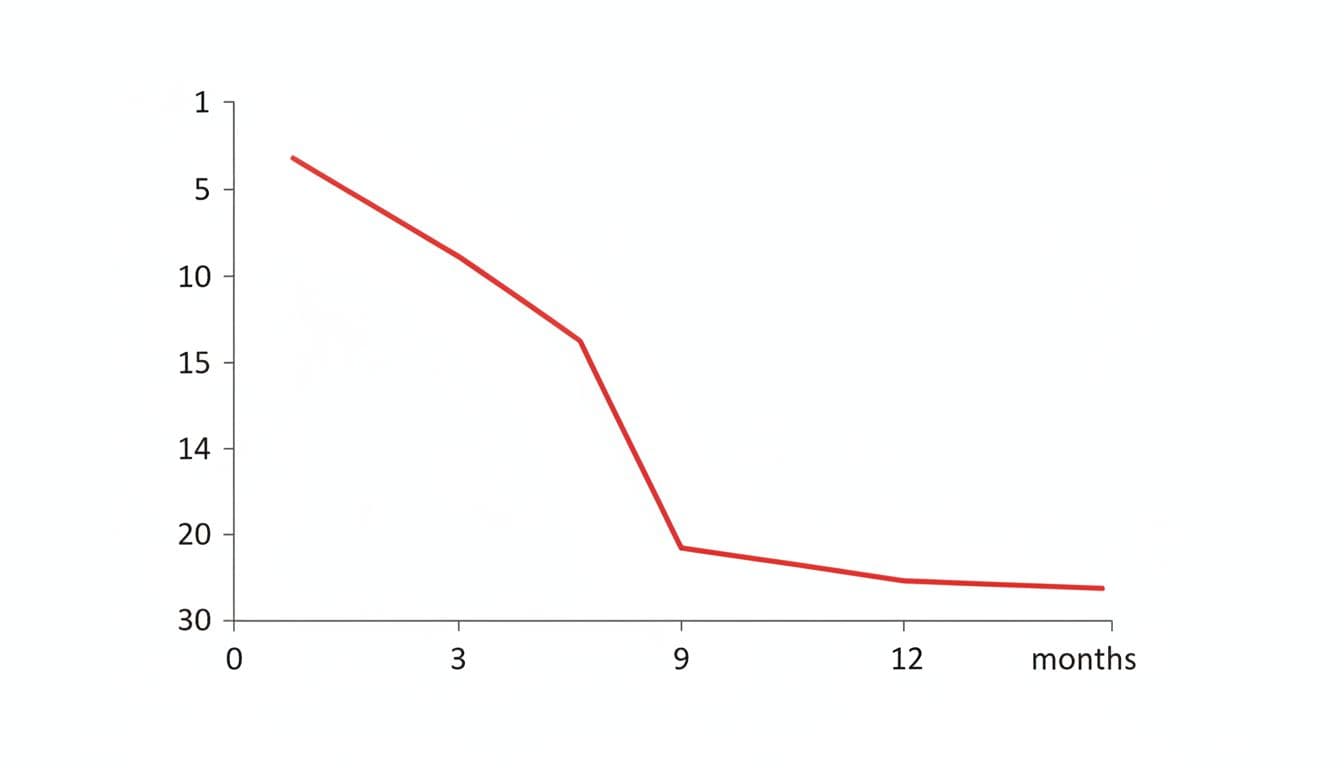
Recent 2026 reporting points the same way. Many sites lose 20% to 30% of organic traffic within 6 to 12 months after work stops. The delay is what makes this so costly. By the time the decline feels real, the easy fix window is often gone.
If you paused because rankings looked stable, remember that the loss compounds. Once a top page slips, it earns fewer clicks, fewer new links, and fewer branded searches. That weaker loop can turn a small drop into a bigger one.
The first factor is the quality of the work already done. If your provider fixed crawl issues, improved service pages, earned clean links, and built out your Google Business Profile, those assets stay in place. If the work was thin blog posts and monthly reports, there is less to protect.
Content freshness matters more than it did a few years ago. A 2026 trend that keeps showing up is content decay. Old pages lose steam because prices change, service areas shift, screenshots age, and competitors publish better answers. Recent reporting found that 68% of sites lose organic traffic each year from this kind of decay. HubSpot has also reported an average 106% traffic lift after older posts get updated.
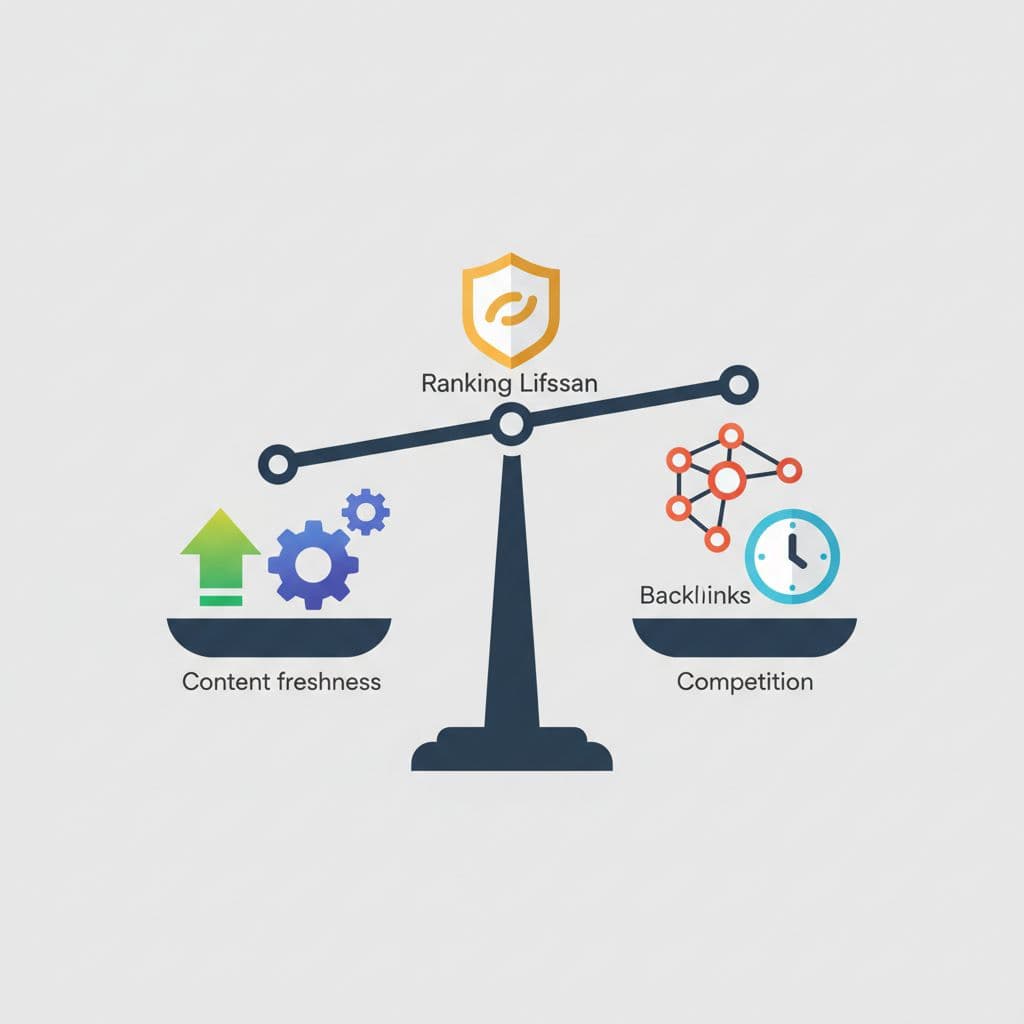
Technical health also matters. Google’s late 2025 core changes raised the bar for speed and page experience. One 2026 analysis found that pages taking more than 3 seconds to load lost 23% more traffic after the update than faster pages. So even if you stop active SEO, broken pages, slow mobile load times, and messy site changes can push you down faster.
Competition sets the pace. A calm niche gives you breathing room. A busy market does not. A benchmark on discontinued campaigns found many sites lost 15% to 40% of organic visits within 1 to 2 months when rivals kept publishing and building links.
Link quality and brand strength are part of the picture. A site with real mentions, trusted backlinks, and direct brand searches can absorb a pause better than a site propped up by weak links. That is why two businesses in the same city can stop at the same time and get very different results.
Local SEO has its own timer. Reviews, photos, citations, and map activity all affect how long a business stays visible. If your competitors add fresh reviews every week while your profile sits still, your map pack spot can slip before your website rankings do.
AI search adds another layer in 2026. Google rankings may hold for a while, but AI citations can fade much faster. Recent reporting suggests some AI visibility decays in about 13 weeks when pages stop getting refreshed or when direct answers are buried too low on the page.
The first loss is not always rank. Often, it is momentum.
A site can keep a decent average position while losing clicks on the terms that bring calls. That happens because the highest-value phrases, like “water heater repair” or “AC repair near me,” face the most pressure. Informational pages may hang on longer, while the pages tied to booked jobs slide first.
This is why some owners say, “My rankings still look okay, but leads are down.” They are often right. The ranking report shows one picture. Click-through rate, map visibility, and conversion rate show the rest.
For a small local business, three warning signs show up early:
Picture two plumbers. One has deep service pages, 150 recent reviews, and years of branded searches. The other has five thin pages and a quiet profile. If both pause SEO, the first may wobble and hold. The second can slide out of view before the owner notices.
If you rely on organic search for booked jobs, watch lead quality as closely as position. A number one ranking that brings bad clicks does not help much. Meanwhile, a drop from position 2 to 5 can hurt more than most owners expect, because far fewer people click once you slip below the top spots.
The same rule applies to AI search. If ChatGPT or Google’s AI tools stop citing you, branded searches and assisted conversions can fall even before your main keywords crash. In other words, the loss can start at the edges and then move to the center.
Traditional retainers and results-based SEO create different kinds of risk. With a fixed monthly fee, you pay whether strong rankings arrive or not. If you stop after six months, you may find that much of the budget went to meetings, reports, and slow work that never built durable gains.
A performance SEO service model changes that pressure. Billing starts after agreed outcomes, so the agency has a reason to build pages, links, and local signals that can keep working after the invoice. That does not make rankings permanent. It does make it more likely that you paid for assets rather than activity.

That difference matters most when cash is tight. A small company can survive a slow month. It is much harder to survive six months of paying for work that never reaches page one. Results-first pricing does not remove risk, but it reduces blind risk.
This is also where guaranteed SEO needs a hard look. A real guarantee should tie to approved, lead-worthy keywords, not vanity phrases with no buying intent. Ranking first for a term nobody searches may look good in a report, but it will not help payroll.
No-contract SEO matters for the same reason. It does not make rankings last longer by itself. It does, however, make it easier to leave a weak provider before more money disappears. For a small business, that freedom matters.
Before you sign or cancel, ask a simple question: what will still belong to you six months later? If the answer is better pages, stronger local signals, clean technical fixes, and ranking gains you can verify, the spend has a longer shelf life.
A full stop is the risky move. Light maintenance is often enough to keep good rankings alive much longer.
Do four things if budget gets tight. First, refresh your top service pages every quarter. Update prices, locations, FAQs, and before-and-after proof. Second, watch speed, broken links, and index issues. Small technical problems stack up fast. Third, keep your Google Business Profile active with fresh reviews and photos. Fourth, track leads, not only keyword positions.
You do not need a full agency sprint to do this. Often, one short update cycle each month is enough to protect the pages and profiles that already win. Maintenance costs far less than a full rebuild after six dead months.
If you hire again later, ask for clear billing triggers. A pay-only-after-ranking setup is easier to judge than a vague monthly retainer, because you can see what result starts the bill. For a plain-English gut check, the performance-pay FAQ covers common billing and ranking questions.
Keep one simple dashboard: leads, top service keywords, map pack presence, and page speed. If two of those move the wrong way, you are no longer on pause. You are in decline.
If you stop paying for SEO, rankings usually fade in stages, not overnight. Most small businesses get a short grace period, then lose the terms that matter most.
The rankings that last come from strong pages, sound tech, real authority, and active local signals. Good SEO outlasts the invoice for a while, but no ranking stays safe forever without some upkeep.


